Behind the feature: Negative Film Conversion in Capture One
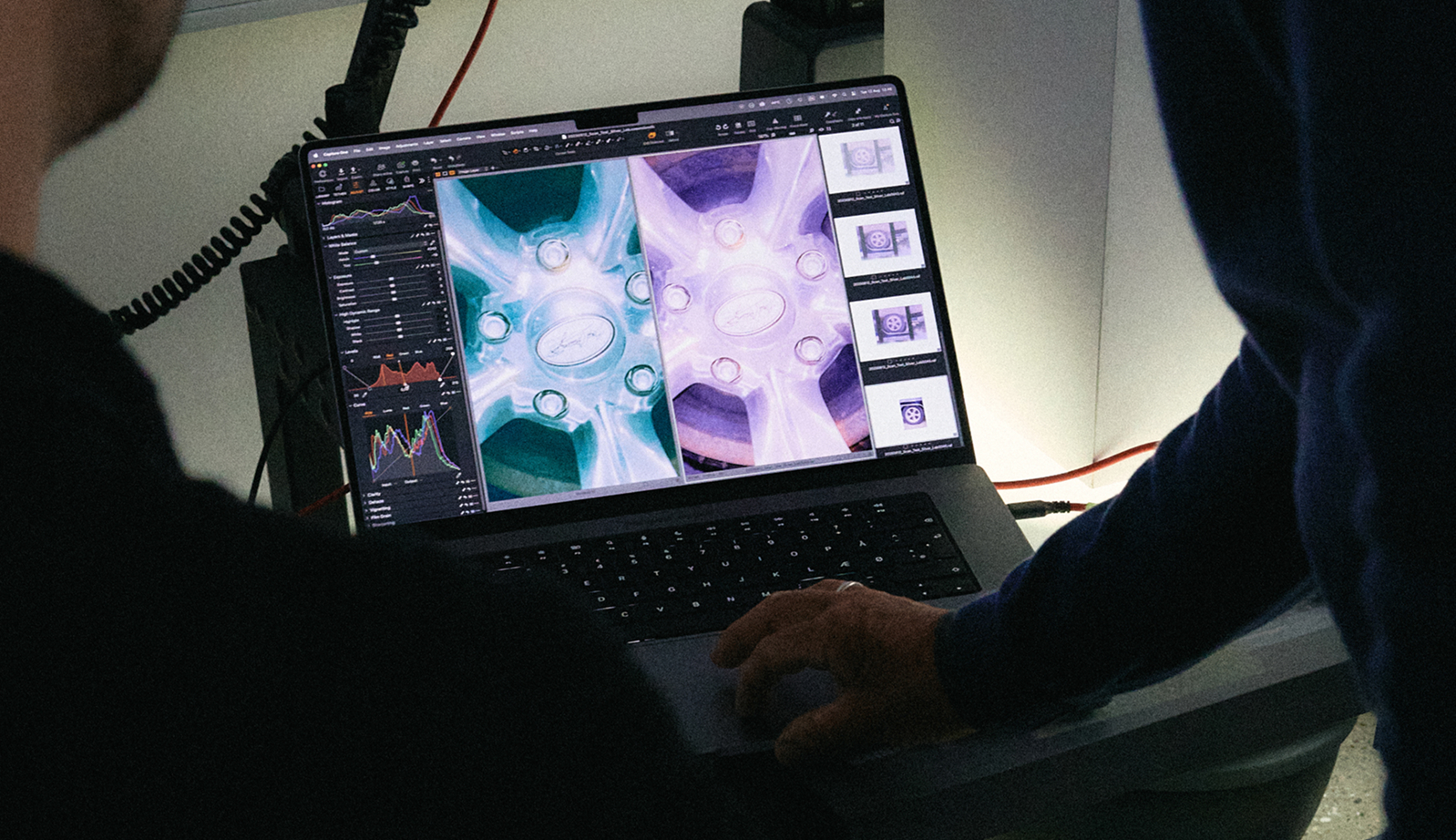
If one thing is clear, film photography is not dead. We see it across genres, from commercial fashion photography to enthusiast communities. So, it’s perhaps not a coincidence that Negative Film Conversion has been one of our most requested features. Last year, we got to it. Now, let’s explore how the solution came to life, how it was designed, what needed to be right, and who we collaborated with to bring it to market. Designing the feature: Capture sets the foundation When scanning and converting film, the earliest decisions in the workflow have a lasting impact. That means the quality of the conversion depends heavily on how the negative is captured. To get the best starting point, the goal is to extract as much information as possible from the film, which means maximizing dynamic range and minimizing digital noise during scanning. A camera-based scanning setup with a stable film carrier helps keep the negative sharp, while an even, consistent light source ensures uniform exposure across the frame. When the camera is tethered to Capture One, exposure warnings make it easy to immediately see whether a capture is over- or underexposed, …